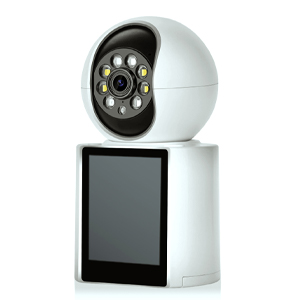
Dash cams have become essential for many drivers, providing evidence in case of accidents and offering additional security features. While most dash cams can be powered through a car’s cigarette lighter socket, some users opt for hardwiring. But is it worth the effort? In this article, we’ll explore the benefits and drawbacks of hardwiring a dash cam to help you make an informed decision.
Hardwiring a dash cam involves connecting it directly to the car’s electrical system instead of using a standard power adapter. This is typically done using a hardwiring kit that connects to the vehicle’s fuse box. The installation may require basic knowledge of car electronics or professional assistance.
 |
Mirror Dash Cam Hardwire Kit
|
One of the biggest advantages of hardwiring is enabling parking mode. When hardwired, a dash cam can continue monitoring your vehicle even when the engine is off, protecting against vandalism and hit-and-run incidents.
Hardwiring eliminates the need for a dangling power cable connected to the cigarette lighter socket, creating a cleaner and more organized car interior.
With hardwiring, the dash cam powers on and off automatically with the ignition. This ensures that you don’t have to manually turn the device on every time you drive.
Many drivers rely on the cigarette lighter socket for charging other devices, such as smartphones. Hardwiring frees up this port for other uses.
Most hardwiring kits come with voltage monitoring features that prevent excessive battery drain by cutting off power to the dash cam if the car battery’s voltage drops too low.
Hardwiring requires either DIY knowledge or professional installation. If you are unfamiliar with your car’s electrical system, professional installation may be necessary, adding to the cost.
If installed improperly, a hardwired dash cam could lead to electrical issues, such as blown fuses or battery drainage problems.
Some car manufacturers may void the electrical warranty if aftermarket modifications, such as hardwiring, are performed without proper authorization.
Hardwiring a dash cam is ideal for drivers who want 24/7 surveillance, a neat and clutter-free setup, and automatic recording without manual intervention. If you frequently park in high-risk areas or need continuous monitoring, hardwiring is a worthwhile investment.
 |
3-channel mirror dashcam
|
For most drivers, hardwiring a dash cam is a beneficial upgrade, particularly for those who value parking mode and a seamless setup. However, if you prefer a plug-and-play option and don’t need 24/7 recording, using a standard power adapter may be sufficient.
Ultimately, the decision depends on your needs, budget, and willingness to invest in professional installation if necessary. If security and convenience are priorities, then hardwiring is certainly worth considering.
Copyright © 2023 INSEETECH LIMITED. All Rights Reserved.